Learn when your garage door rollers need replacement and how new rollers restore smooth, quiet operation to your garage door system.
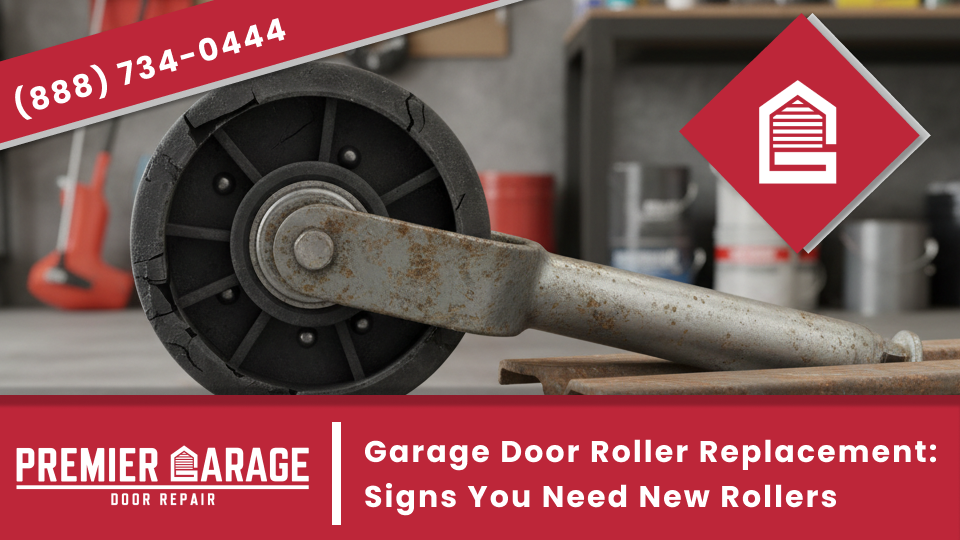
Is your garage door making grinding noises or moving unevenly? You might need to restore smooth operation. Garage door rollers—sometimes called garage door wheels—guide your door along the tracks every time it opens and closes. Over time, worn garage door rollers develop flat spots, cracks, and bearing failures that cause serious garage door roller problems. Recognizing damaged garage door rollers early prevents costly damage to tracks, cables, and other components. Whether you’re experiencing minor garage door roller issues or complete roller failure, garage door roller repair can solve most problems quickly. This guide explains the warning signs, types of rollers available, and when to schedule garage door roller replacement near you with a qualified technician.
Why Garage Door Rollers Matter
Rollers play a critical role in your door’s operation. These small components carry the entire weight of your door—typically 150-400 pounds—while guiding it smoothly along the tracks.
What Garage Door Rollers Do
Garage door wheels perform several essential functions:
- Support the door’s weight during movement
- Guide the door along vertical and horizontal tracks
- Reduce friction for smooth, quiet operation
- Maintain proper door alignment
- Enable controlled opening and closing speeds
Without properly functioning garage door rollers, your entire system suffers. According to the International Door Association, roller failure ranks among the most common causes of garage door malfunctions.
How Often Do Garage Door Rollers Need Replacement?
Garage door roller replacement frequency depends on roller type and usage:
| Roller Type | Expected Lifespan |
|---|---|
| Standard steel rollers | 5,000-10,000 cycles |
| Nylon rollers | 10,000-15,000 cycles |
| Steel rollers with sealed bearings | 15,000-20,000 cycles |
| Premium nylon with sealed bearings | 20,000+ cycles |
Most residential doors cycle 3-5 times daily, meaning standard rollers may need replacement every 5-7 years.
Signs of Worn Garage Door Rollers
Recognizing worn garage door rollers early prevents more extensive damage. Watch for these warning signs indicating garage door roller problems.
Garage Door Roller Replacement Sign: Excessive Noise
Damaged garage door rollers create distinctive sounds:
- Grinding – Metal rollers scraping against tracks
- Squeaking – Dry or failing bearings
- Rumbling – Flat spots on roller surfaces
- Clicking – Chipped or cracked rollers
If your door suddenly becomes louder, garage door roller issues likely contribute to the problem.
Garage Door Roller Replacement Sign: Vibration and Shaking
Worn garage door rollers cause the door to vibrate excessively:
- Door shakes visibly during movement
- Vibration transfers to walls and ceiling
- Movement feels jerky rather than smooth
- Hardware rattles with each cycle
These symptoms indicate garage door roller problems requiring prompt attention.
Garage Door Roller Replacement Sign: Uneven Movement
Garage door roller issues affect how smoothly your door travels:
- Door hesitates at certain points
- Movement appears choppy or stuttering
- One side moves faster than the other
- Door sticks or binds during travel
Damaged garage door rollers on one side often cause the door to move unevenly, stressing other components.
Garage Door Roller Replacement Sign: Visible Damage
Inspect your garage door wheels for obvious signs of wear:
- Flat spots – Rollers no longer perfectly round
- Cracks – Visible splits in nylon rollers
- Chips – Missing pieces from roller surface
- Rust – Corrosion on steel rollers
- Wobbling – Rollers that don’t spin true
Any visible damage to garage door rollers warrants garage door roller replacement.
Garage Door Roller Replacement Sign: Door Off Track
Severely worn garage door rollers can cause track problems:
- Rollers slipping out of track channels
- Door hanging at an angle
- Gaps between rollers and track walls
- Complete derailment requiring emergency repair
Types of Garage Door Rollers
Understanding roller options helps you choose the right garage door roller replacement for your needs.
Steel Rollers
Basic steel garage door wheels offer the most affordable option:
Pros:
- Lowest upfront cost
- Durable under heavy loads
- Widely available
Cons:
- Loudest operation
- Require regular lubrication
- Shorter lifespan
- More garage door roller problems over time
Nylon Rollers
Nylon garage door rollers provide quieter operation:
Pros:
- Significantly quieter than steel
- No lubrication required on roller surface
- Smoother operation
- Won’t rust or corrode
Cons:
- Higher cost than steel
- May crack in extreme cold
- Less durable under very heavy doors
Steel Rollers with Sealed Bearings
Upgraded steel garage door wheels with sealed bearings offer improved performance:
Pros:
- Longer lifespan than standard steel
- Bearings protected from debris
- Better for heavy commercial doors
- Reduced maintenance needs
Cons:
- Louder than nylon options
- Higher cost than basic steel
- Still require some lubrication
Nylon Rollers with Sealed Bearings
Premium garage door rollers combine nylon construction with sealed bearings:
Pros:
- Quietest operation available
- Longest lifespan
- Minimal maintenance required
- Fewest garage door roller issues over time
- Best value long-term
Cons:
- Highest upfront cost
- May be unnecessary for light-use doors
Choosing the Right Rollers
Consider these factors when selecting garage door roller replacement:
| Factor | Recommendation |
|---|---|
| Noise sensitivity | Nylon with sealed bearings |
| Budget priority | Standard steel |
| Heavy door | Steel with sealed bearings |
| Best overall value | Nylon with sealed bearings |
| Extreme temperatures | Steel with sealed bearings |
Can You Replace Garage Door Rollers Yourself?
While garage door roller replacement seems straightforward, significant risks exist for DIY attempts.
Dangers of DIY Garage Door Roller Repair
Attempting garage door roller repair yourself creates serious hazards:
- Spring tension – Doors under spring tension can cause severe injury
- Door weight – Heavy doors can fall unexpectedly
- Improper installation – Incorrectly installed rollers fail quickly
- Track damage – Amateur work often damages tracks
- Warranty issues – DIY repairs may void warranties
When DIY Might Be Acceptable
Limited DIY garage door roller replacement may be safe when:
- Replacing only bottom bracket rollers (no spring tension)
- You have proper tools and experience
- The door is fully supported and secured
- You’re replacing like-for-like rollers
When to Call Professionals
Schedule professional garage door roller replacement near you when:
- Any roller near springs or cables needs replacement
- Multiple rollers require replacement
- You’re unfamiliar with garage door systems
- The door has additional problems
- You want warranty protection on repairs
What Causes Garage Door Roller Problems?
Understanding causes of garage door roller issues helps prevent premature failure.
Normal Wear and Tear
All garage door rollers eventually wear out from:
- Daily opening and closing cycles
- Weight stress on bearings
- Friction against track surfaces
- Temperature expansion and contraction
Regular maintenance extends roller life but can’t prevent eventual garage door roller replacement.
Lack of Lubrication
Garage door wheels with bearings require periodic lubrication:
- Dry bearings overheat and fail
- Metal-on-metal contact accelerates wear
- Increased friction causes flat spots
- Noise indicates lubrication needs
Track Misalignment
Misaligned tracks cause uneven wear on garage door rollers:
- Rollers forced against track walls
- Excessive friction on one side
- Premature bearing failure
- Uneven worn garage door rollers pattern
Debris and Contamination
Dirt and debris accelerate garage door roller problems:
- Grit enters bearings and causes grinding
- Debris buildup in tracks increases friction
- Rust develops from moisture exposure
- Insects and cobwebs create resistance
Poor Quality Rollers
Inferior garage door wheels fail faster:
- Cheap materials crack and chip easily
- Low-quality bearings seize quickly
- Inconsistent manufacturing causes wobbling
- Short lifespan requires frequent replacement
Professional Garage Door Roller Replacement Near You
When garage door roller problems exceed DIY capabilities, professional service provides safe, lasting solutions.
What to Expect from Garage Door Roller Replacement Near You
When scheduling garage door roller replacement near you, expect:
- Complete inspection – Technician examines all rollers and related components
- Recommendation – Expert advice on roller type and quantity needed
- Safe removal – Proper techniques protect springs and cables
- Quality installation – New rollers installed to manufacturer specifications
- Track inspection – Verification of track condition and alignment
- Lubrication – Proper lubrication of all moving parts
- Testing – Multiple cycles to verify smooth, quiet operation
Benefits of Professional Garage Door Roller Repair
Professional garage door roller repair offers advantages over DIY:
- Safety – Trained technicians handle dangerous spring tension
- Speed – Experienced pros complete work quickly
- Quality – Access to professional-grade rollers
- Warranty – Protection on parts and labor
- Expertise – Identification of additional problems
- Convenience – No need to purchase tools or learn techniques
Cost of Garage Door Roller Replacement
Garage door roller replacement costs vary based on:
| Factor | Impact on Cost |
|---|---|
| Number of rollers | More rollers = higher cost |
| Roller type | Premium rollers cost more |
| Labor rates | Varies by region |
| Additional repairs | Track work adds cost |
| Emergency service | After-hours rates higher |
Most homeowners spend $100-$200 for complete garage door roller replacement with quality nylon rollers installed professionally.
Preventing Future Garage Door Roller Problems
After garage door roller replacement, proper maintenance extends the life of your new ones.
Monthly Visual Inspection
Check garage door rollers monthly for:
- Visible damage or wear
- Smooth rotation when door moves
- Proper alignment in tracks
- Debris accumulation
Quarterly Lubrication
Lubricate roller bearings every three months:
- Use silicone-based garage door lubricant
- Apply small amount to each roller bearing
- Avoid lubricating nylon roller surfaces
- Wipe away excess lubricant
Annual Professional Maintenance
Schedule yearly professional service including:
- Complete roller inspection
- Track cleaning and alignment
- Spring and cable evaluation
- Full system lubrication
Final Thoughts on Garage Door Roller Replacement
Garage door rollers may be small components, but they significantly impact your door’s performance, safety, and lifespan. Recognizing signs of worn rollers and damaged rollers helps you address garage door roller problems before they cause extensive damage.
Whether you’re dealing with minor garage door roller issues or complete roller failure, professional garage door roller repair provides safe, effective solutions. Quality wheels—especially nylon rollers with sealed bearings—deliver years of smooth, quiet operation with minimal maintenance.
Don’t ignore the warning signs of failing rollers. Schedule garage door roller replacement near you today and restore your garage door to peak performance.
Phone: (888) 734-0444
Email: info@premiergaragerepair.net
Website: https://www.premiergaragerepair.net/